
Tenant Retention – Strategy Matters!
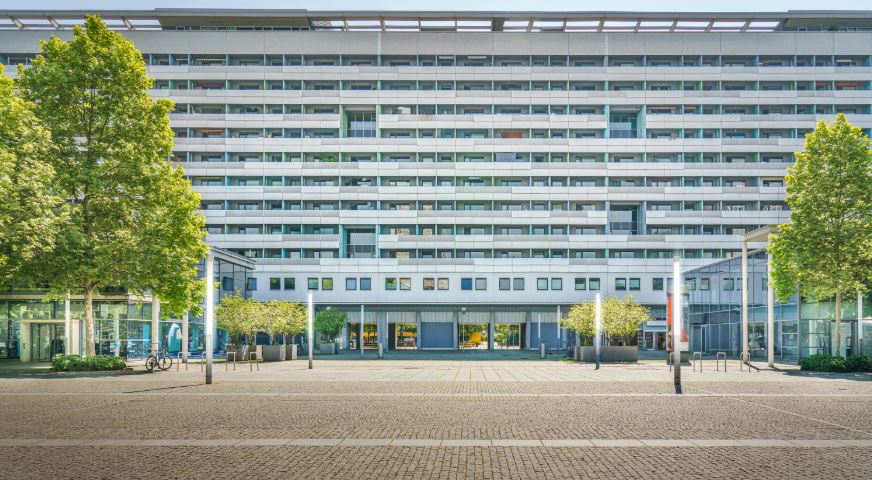
The flight to quality and the flight to customization in the office environment continues. Class A office buildings are filling up, because tenants are willing to pay more to relocate to a space that flexes with their needs. Tenants cite buildings that are technologically updated with best practices in security and technology as the most attractive for relocations. Tenants are also considering how these buildings will help make the office an attractive location as workers continue return to the office, and how they will support company operational efficiency and sustainability goals.
WHAT DO TENANTS WANT?
Tenants aren’t just the entity signing the lease, but they have the people that are actually working in the commercial office the entity is leasing. Rent pricing, tenant concessions and physical location are always factors in deciding to sign a lease, but current trends indicate that tenants are placing a premium on flexibility and experience as well. They want a space that will adapt to their operational needs, and an experience that will welcome workers and make the office a desirable destination.
Finances are and will remain a key consideration in real estate decisions, but being able to use the space itself in a variety of ways is vital, not just from a flexible operations standpoint, but to encourage collaboration among co-workers as well. Tenants cite a desire for a sense of community as a factor for their employees when searching for a location. Additionally, buildings that offer shared amenities, or easy access down the street in a safe environment, are showing better resilience in the marketplace.
FLEXIBILITY
A tenant values a lease that will evolve and flex with their business operations. The tenant might require more or less physical space, power or access at certain times, and they want landlords that will support their operational efficiency and stability, and tenants are willing to pay a premium to lease in these buildings. Proactive, adaptive landlords that anticipate and respond to tenant requirements, throughout the lease term, are attracting a higher caliber of occupant.
As companies encourage (or mandate) that their employees return to work in the physical buildings, there’s still a need to accommodate hybrid or remote workers. This means everything from optimizing space usage to accommodating a range of work occurring fully or partially within the space. The renewed focus on in-person and collaborative work arrangements favors agile space configurations that encourage office engagement, from small group meeting rooms to larger conference areas to impromptu huddle spaces; yet there’s a need to accommodate connecting people working in the space to those that might be working in another location. Not all of the people are employees of the tenant entity (contractors, vendors, etc.), so security and access controls are also important considerations. Companies are facing new technology and regulatory challenges, in accommodating hybrid-work styles to data privacy and other security concerns, and anything that a landlord does to help will make a difference.
EXPERIENCE
Companies that are returning to in-person work are investing in their technology, and need landlords who will accommodate their data and power needs to make working in the office an engaging proposition. Tenants also need remote work accommodation. Technology is key to seamless work environments between workers in the leased space and workers at home, in other offices, or traveling. Guests and contract workers are also in and out of the space as their work requirements dictate, and need the ability to operate within the tenant parameters. Tenants want operational stability and efficiency for their workers, and gravitate to landlords that support that goal.
Culture-building is often cited as a primary advantage of returning to working in the office, and to make that more enticing to those workers, tenants are looking for amenity spaces. Tenants are actively seeking buildings with value-add spaces, like conference rooms and collaboration spaces, as well as flexible operations and design. Amenities that encourage culture-building , such as fitness areas, dining and entertainment options, either in the building or nearby, score high on tenant wish lists. Convenient amenities foster engagement and shared experiences with co-workers.
HOW CAN A LANDLORD ATTRACT AND RETAIN QUALITY TENANTS?
• Leverage technology! Landlords can use data analysis to anticipate tenant needs, whether its regarding access, utilities or security. Data-supported efficiency gains drive down operating expenses and help tenants meet their company sustainability goals, as well as providing a modern, efficient and hospitable working environment. Being able to connect easily with the office when not physically present, is of value.
• Adapt! Lease structures and spaces need to readily accommodate the growth and shrinking of operational needs (right of first refusal, early buyouts, the ability to quickly and easily reconfigure space, etc.). Tracking tenant use patterns will help provide actional feedback. If a tenant is only occupying a space part of the time, but has a large energy draw due to technology needs, how does that affect their use experience, that of other tenants, and the building itself?
• Hospitality! Workers are returning to the physical office, and they want it to be a positive experience, not just in flexible, interconnected and collaborative workspaces, but also to have curated experiences and shared amenities. Employees want to connect inside and outside of the office, and having entertainment and dining options in the building or within walking distance are attractive. Employees are also consumers, and they are spending their budget on
services tied to experiences (salons, fitness centers, restaurants, concerts, sporting events, recreational activities) with their colleagues.
• Connection! Tenants value direct contact and personal connection with their management company. Having an actual person to communicate with for administrative items has been shown to tremendously enhance the tenant experience. Emails and tenant portals are nice, but those benefit the landlord. Giving the tenant the choice of how to communicate, and the ability to know that they are being heard, goes a long way towards retention.
TAKEAWAYS FOR LANDLORDS INVESTING IN THEIR TENANTS
While daily business administration tasks are always important, so is the tenant experience. The ability to connect and influence the tenant decision makers, and the enhanced opportunity to connect the occupant with the office environment in a positive way, will attract and retain tenants at competitive rental rates.
• Consider a tenant advisory council; promote content and programming; evaluate the tenant experience with technology.
• Less administration, more strategic input for property managers. Being able to talk to an actual person about lease and building issues goes a long way for tenants.
• Technology should not be a pain point for the tenant, or an obstacle to returning to the office and in-person engagement.
• Analyze data and change management practices accordingly, be agile! Use predictive maintenance to enhance the tenant experience and prevent problems.
• Continuously refine the tenant retention strategy. Landlords are facing increased expectations from top-tier clients, due to growing regulations and operational challenges. Being flexible and adjusting operations and budgets for capital plans are important.
Let’s discuss what’s most important to have in your lease to keep tenants happy.
Want to build leases that attract and retain top-tier tenants?
Let’s talk about your next move at lawbyjz.com
#tenantretention #commercialrealestate #commerciallease
